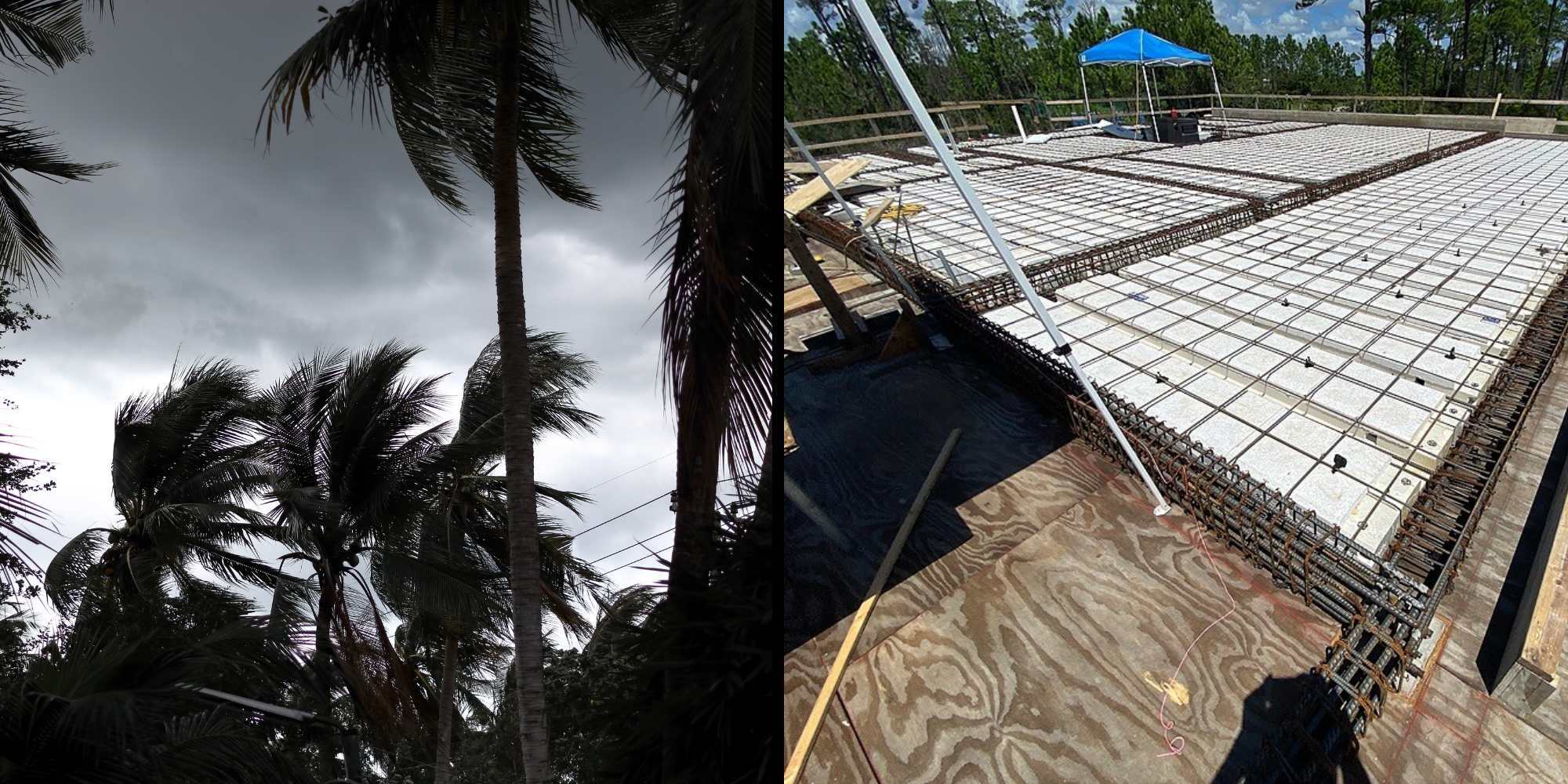
Building a home along the Gulf Coast means thinking carefully about how it will handle hurricanes and severe weather. The right construction methods and design choices can make a big difference in how well a home stands up to storms.
In this guide, we’ll walk through several hurricane-resistant building standards used in coastal homes, like impact-resistant windows, reinforced roofs, elevated foundations, durable materials, and more that help homes handle high winds, heavy rain, and storm surge.
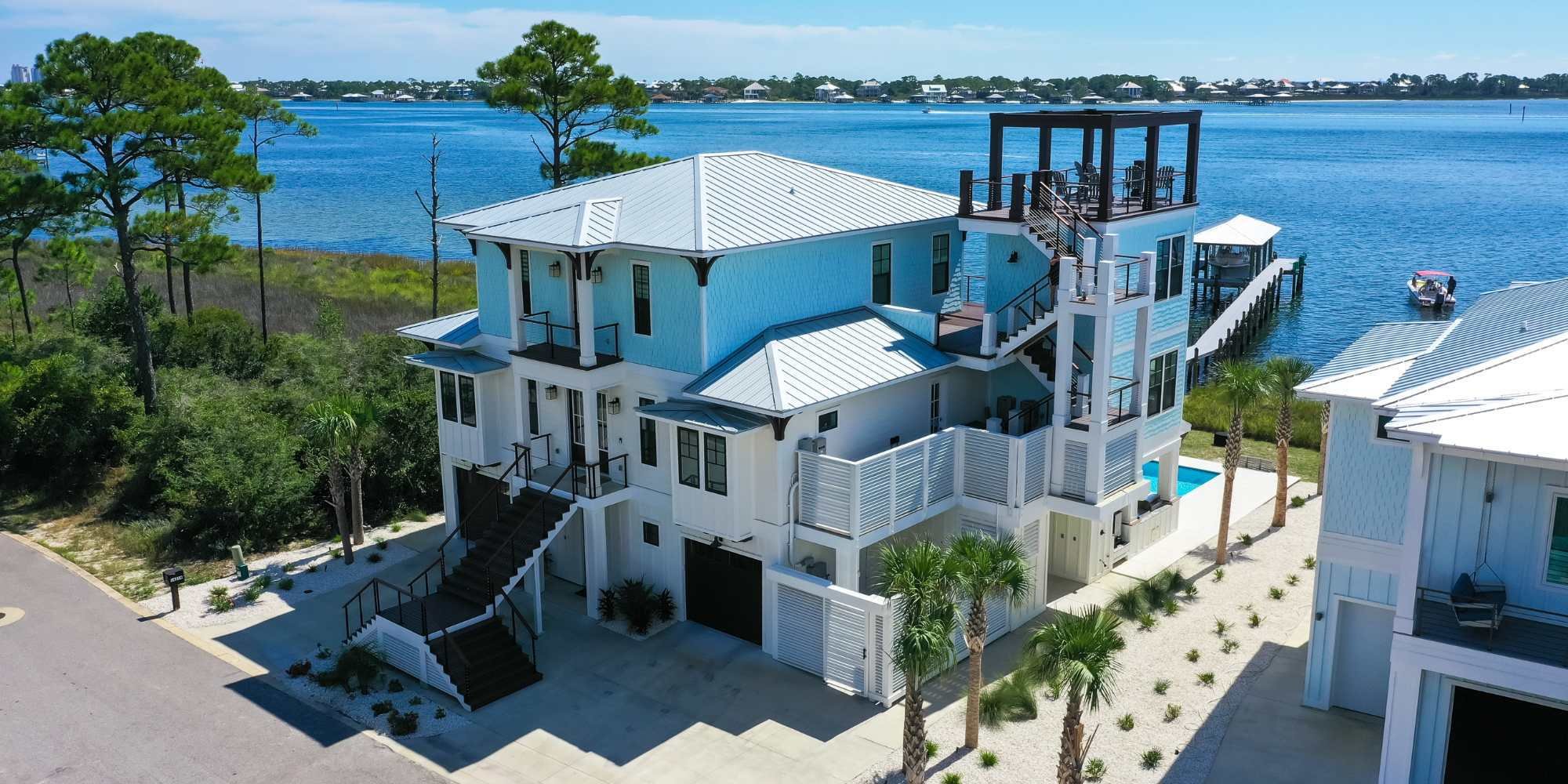
Include these hurricane-resistant building standards in your Florida custom home design:
1. Impact-Resistant Windows and Doors
2. ICF Construction for Stronger Coastal Homes
3. Elevated Foundations and Piling Home Construction
4. Wind-Rated Garage Doors
5. Durable Exterior Materials
6. Proper Roof Shapes for Hurricane Resistance
7. Site Planning and Drainage
1. Impact-Resistant Windows and Doors
One of the most important features in hurricane-resistant homes is impact-rated windows and doors. During a hurricane, wind can send debris flying at high speeds. Standard windows can shatter under that kind of impact, allowing wind and rain to enter the home.
Impact-rated systems are designed to handle those conditions and help keep the building envelope intact during a storm.
What Is an Impact-Resistant Door or Window?
Impact-resistant windows use laminated glass, which consists of multiple layers bonded together with a durable inner membrane.
When debris hits the glass, it might crack, but it usually stays in place instead of shattering. That inner layer helps keep wind, rain, and debris from getting inside the home.
Many systems also include:
- Reinforced frames
- Heavy-duty hardware
- Stronger anchoring systems that attach the window to the structure
Wind Pressure Ratings Matter
Another important factor is wind pressure ratings.
These ratings measure how much wind force a window or door system can handle before it fails. In hurricane-prone regions, building codes require products that can withstand very high wind loads and rapid pressure changes.
Are Impact-Resistant Windows Required in Florida?
In many coastal areas, Florida building codes require impact-resistant windows for new construction in high-wind zones. These standards help ensure homes are better prepared for hurricanes and severe storms.
2. ICF Construction for Stronger Coastal Homes
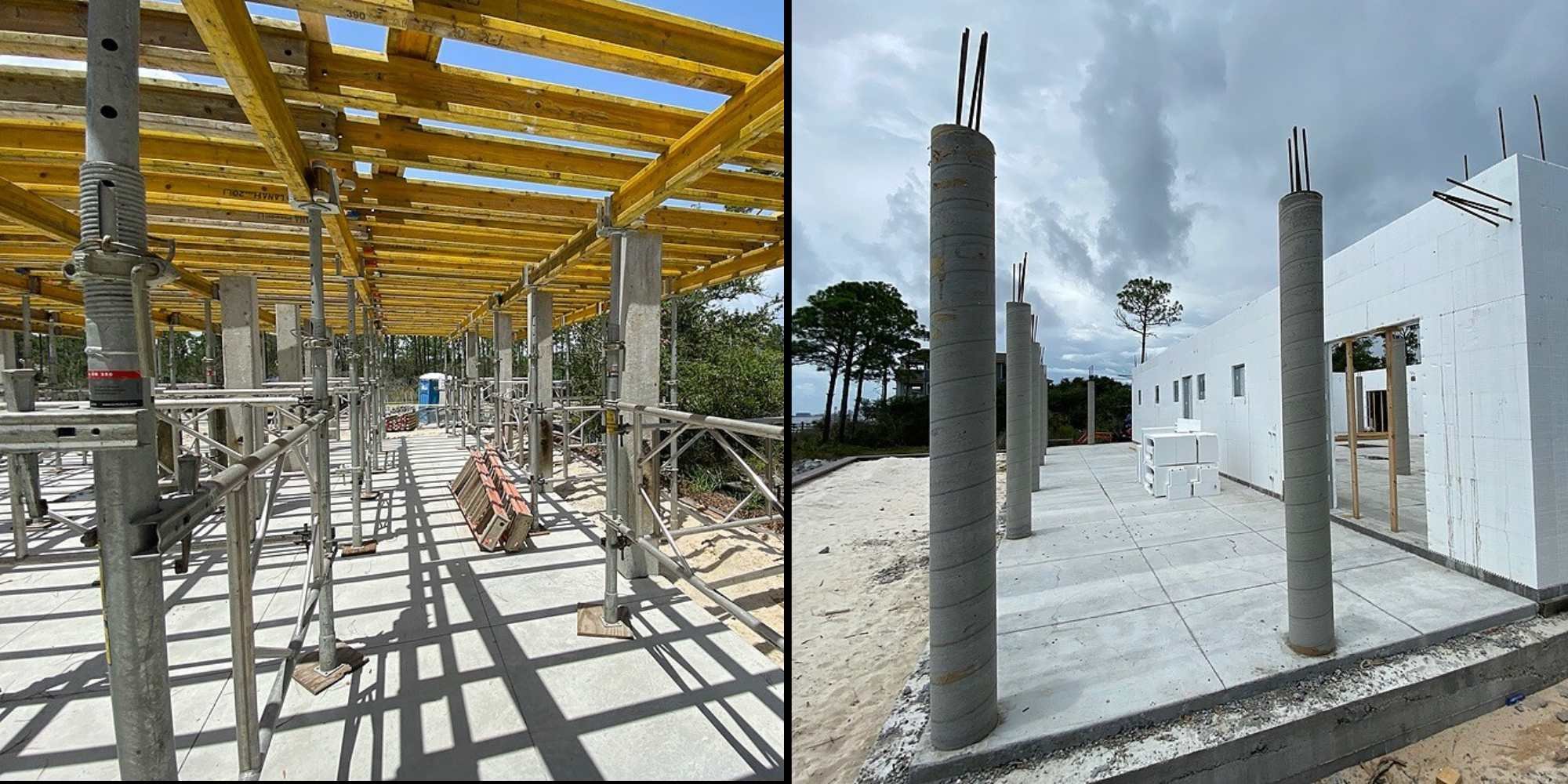
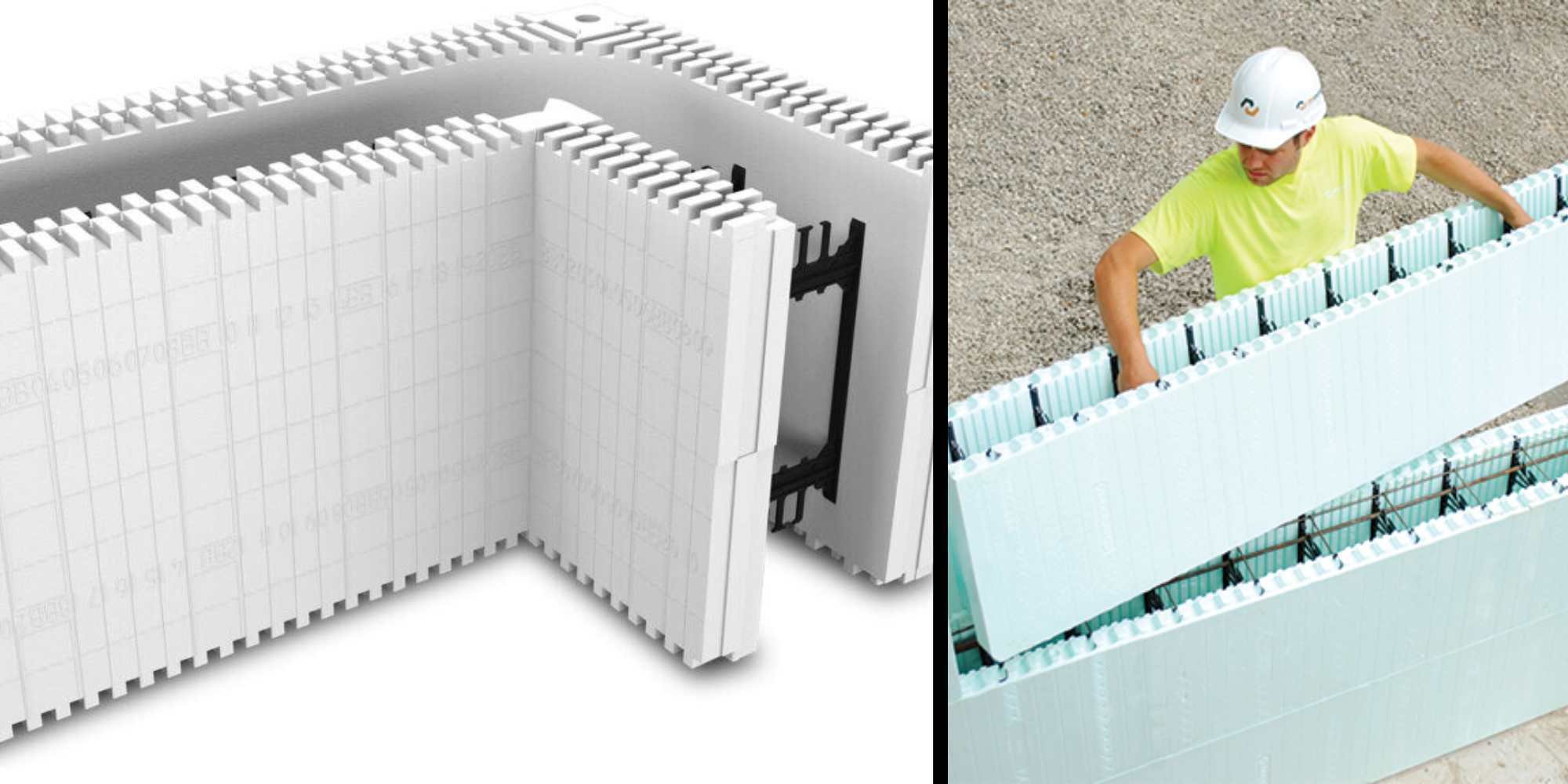
ICF construction, or Insulated Concrete Form construction, can significantly improve hurricane resistance. Instead of traditional wood framing, this system uses reinforced concrete walls formed between layers of rigid insulation.
The result is a structure that is extremely solid, energy efficient, and well-suited for coastal environments.
What Is ICF Construction?
ICF systems use hollow foam blocks that are stacked to form the shape of the walls. Steel reinforcement is added inside the forms, and the cavity is filled with concrete.
Once the concrete cures, the home has solid reinforced concrete walls surrounded by continuous insulation.
For coastal homes, some of the advantages include:
- Higher wind resistance compared to many conventional wall systems
- Greater durability during severe storms
- Improved insulation and energy efficiency
- Reduced outside noise, which is a bonus in busy neighborhoods
Are Concrete Homes Better During Hurricanes?
Concrete homes have been used in coastal areas for a long time, especially in places that deal with strong storms. While no house is completely hurricane-proof, reinforced concrete walls can create a much stronger outer structure. It’s a way to build homes that are better prepared for the wind and weather conditions common along the Gulf Coast.
3. Elevated Foundations and Piling Home Construction
Many coastal homes are built on pilings, which raise the living space above potential flood levels and storm surge.
Instead of sitting directly on a slab, the home is supported by deep foundation posts driven into the ground. This type of construction process is common for elevated coastal homes and helps them handle severe weather a lot better.
Key Benefits of Piling Home Construction
For homes built in coastal areas, piling foundations offer:
- Storm surge protection by elevating the living space above flood levels
- Improved airflow under the home, which can help reduce moisture buildup
- Better compliance with flood zone requirements in coastal areas
- Reduced risk of water damage during severe storms
4. Wind-Rated Garage Doors
Garage doors are often one of the more vulnerable parts of a home during a hurricane. They’re large, and compared to walls or structural framing, they’re relatively thin. If they aren’t designed for high winds, strong gusts can push them inward or even rip them off.
When that happens, wind can rush into the garage and build pressure inside the house, which can lead to serious structural damage.
What Makes a Garage Door Wind-Rated?
Hurricane-resistant garage doors are engineered to withstand strong wind pressure and debris impacts.
Common features include:
- Reinforced door panels made from stronger materials
- Bracing systems that add structural support across the door’s width
- Heavy-duty tracks and mounting hardware
These upgrades help keep the garage door in place during strong winds, which goes a long way in protecting the rest of the home during a storm.
5. Durable Exterior Materials
Homes along the Gulf Coast deal with more than just wind. Heavy rain, humidity, salt air, and flying debris can all take a toll on exterior materials over time.
That’s why builders choose durable exterior finishes designed specifically for coastal conditions. The right materials can help a home hold up better during storms and reduce long-term maintenance.
What Materials Work Best for Coastal Homes?
Some coastal home construction materials are better suited for hurricane-prone environments than others. Materials designed for durability and moisture resistance tend to perform best.
Common choices include:
- Fiber cement siding, which resists moisture, rot, and wind damage
- Reinforced stucco systems designed to handle wind-driven rain
- Standing seam metal roofs, which perform well in high winds and shed water quickly
- Composite or PVC trim, which holds up better than wood in humid coastal climates
- Hurricane-rated exterior doors, designed to withstand strong winds and debris
- Corrosion-resistant fasteners and hardware, which help materials last longer in salty air
- Moisture-resistant exterior sheathing, which adds another layer of protection behind siding
6. Proper Roof Shapes for Hurricane Resistance
Certain shapes handle high winds better because they reduce uplift and allow wind to move more smoothly around the structure.
One of the most common options is a hip roof, where all sides slope downward toward the walls. This shape tends to perform well in high winds because it has fewer vertical surfaces for wind to push against.
Builders may also incorporate other design features that improve wind-resistant roof design, such as:
- Lower roof slopes, which reduce wind uplift
- Continuous load paths, where roof forces are transferred down through the walls and into the foundation
- Stronger roof-to-wall connections that help keep the roof attached during extreme winds
7. Site Planning and Drainage
How a lot is graded and how water moves across the property can play a major role in preventing flood damage. Careful coastal home site planning helps ensure that rainwater and storm surge are directed away from the home rather than toward it.
Key elements often include:
- Lot grading that slopes water away from the structure
- Drainage design that manages heavy rainfall
- Stormwater management systems that control runoff during major storms
- Elevation planning that raises the finished floor above potential flood levels

Ready to Build a Coastal Home That’s Built to Last?
Building a hurricane-resistant home starts with thoughtful design and the right construction methods from the beginning.
At Urban Infill, our team focuses on building coastal homes that are designed to handle Gulf Coast conditions while still feeling comfortable and well-designed for everyday living. If you're planning to build in Pensacola, reach out to Urban Infill to start the conversation.