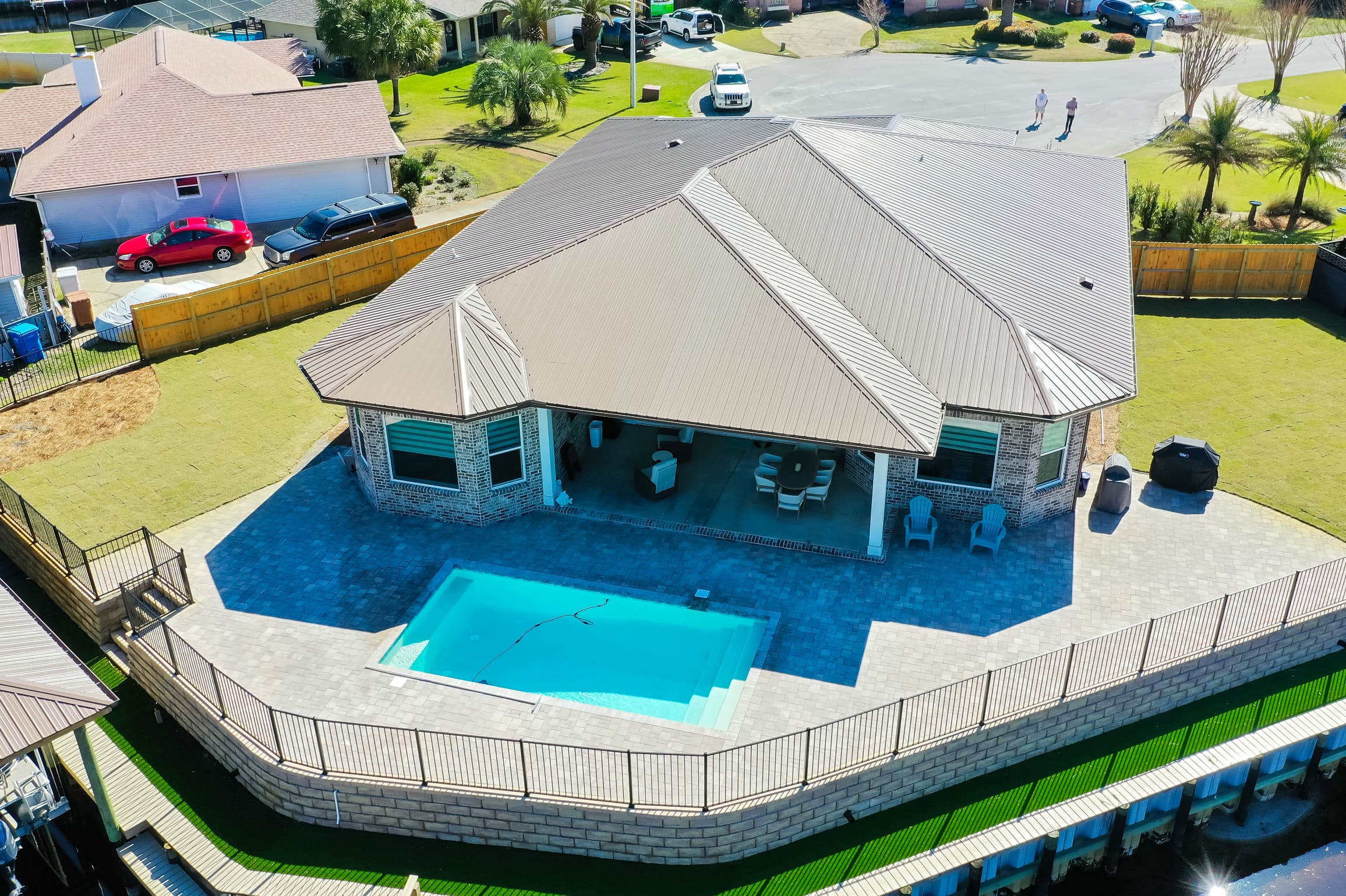
Thinking about making a change but not sure if it’s time to pack up or tear down some walls?
Homeowners across the Pensacola area often ask the big question: Should I remodel, build a new custom home, or move? The answer depends on lots of factors, so we're mapping it all out for you here!
Let’s break down the pros and cons to help you make the right call. We've also included the most important considerations and questions by homeowners like you.
1. Remodeling Pros & Cons
2. Building a New Home Pros & Cons
3. Moving Pros & Cons
4. Major Considerations
5. FAQs About Remodeling, Building a New Home, and Moving in 2026
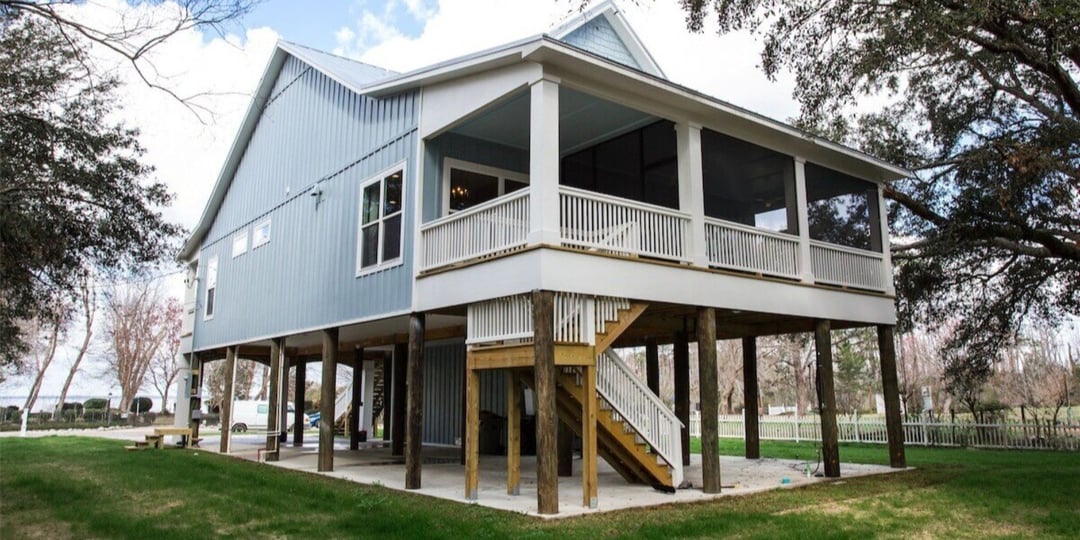
Remodeling Your Pensacola Home in 2026
Sometimes, staying put is the smartest move. Remodeling allows you to work with what you already have by updating the layout, finishes, or functionality without leaving your neighborhood behind.
Pros:
-
Can be more affordable than building or moving, especially for targeted renovations
-
Lets you keep the location, community, and character of your current home
-
Potentially faster than building new or house-hunting
-
Often increases home value when done strategically
-
Less disruptive than moving, especially if only part of the home is being renovated
-
Allows you to address current frustrations without starting from scratch
Cons:
-
Living through construction can be disruptive and messy
-
Older homes may have hidden issues—plumbing, electrical, structural—that drive up costs
-
Not always cost-effective if your current home needs major upgrades across the board
Consider this option if:
You’re happy with your neighborhood and want to improve what you already have. If the layout mostly works but needs refreshing, or if you're hoping to add more functionality, remodeling might be the way to go.
This is especially true for homeowners who ask, " When should I remodel my home?" or "Is it cheaper to remodel or buy a new house?" The answer often lies in how much work your current home actually needs.
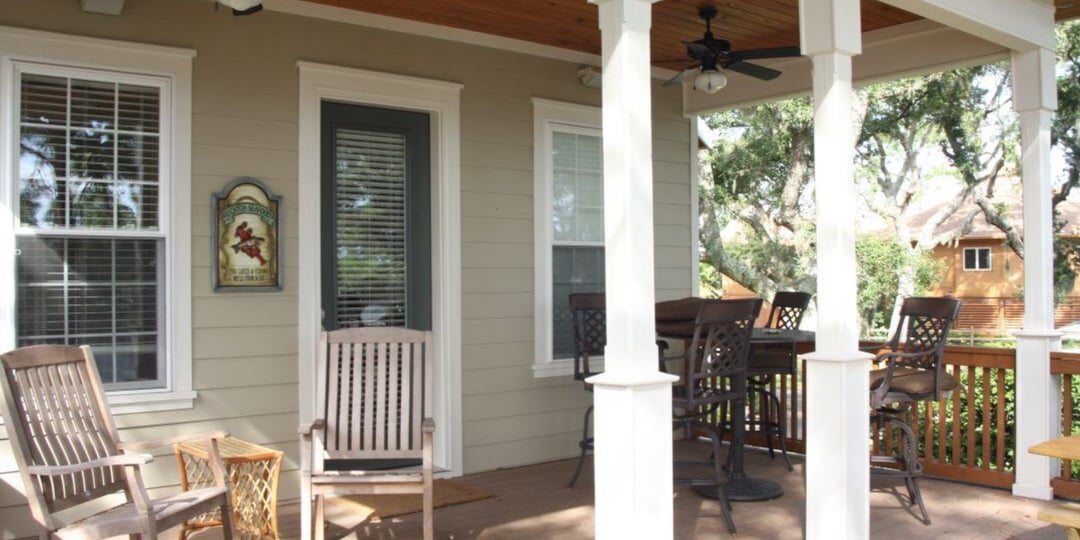
Building a New Custom Home in Pensacola in 2026
Sometimes, the best way forward is a fresh start!
If your current home no longer fits your lifestyle—or you have a vision you just can’t achieve through remodeling—building new gives you full creative control.
Pros:
-
Custom design: full control over layout, materials, finishes, and features
-
Modern systems: better energy efficiency, smart tech, and low-maintenance materials
-
No outdated wiring, plumbing issues, or hidden repairs
-
You get exactly what you want—no compromises or workarounds
-
Can be built to current building codes and hurricane standards from the ground up
-
More flexibility with site placement, floor plan flow, and long-term planning
Cons:
-
Higher upfront costs than remodeling or moving
-
Longer timeline—often 18 months start to finish
-
May involve securing financing, permitting, and land prep
-
Decision fatigue is real, with lots of choices to make throughout the process, especially if you don't partner with the right custom home builder in Pensacola.
Consider this option if:
You have a strong vision and the budget to back it up, and you want something completely your own. If you’ve been wondering, “Is it better to renovate or build new?” or “Should I remodel or build new?” This is the route for those who want ultimate flexibility and long-term value.
It’s also ideal if your current home just doesn’t make sense anymore, and renovating won’t get you close enough to what you want.
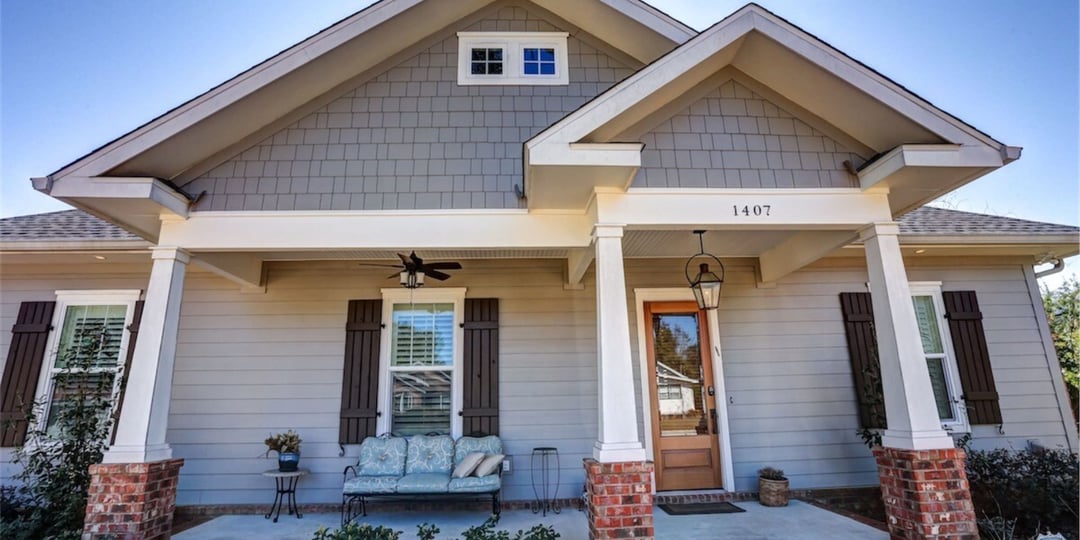
Moving to a New Home in Pensacola in 2026
Sometimes a change of scenery is exactly what you need. If your current home just isn’t cutting it—too small, too far from work or school, or just not your style anymore—moving opens the door to something new.
Pros:
-
You might find a home that’s already better suited to your lifestyle
-
A chance to explore different neighborhoods, school districts, or even cities
-
Less time-consuming than building, and possibly faster than a full remodel
-
Opportunity to “start fresh” with new surroundings, layout, and upgrades
-
Potential for increased square footage, yard space, or amenities you’re currently missing
-
May allow you to move into a more modern or recently updated home
Cons:
-
The cost of moving adds up—real estate commissions, closing costs, moving trucks, temporary housing, and possibly overlapping mortgages
-
Can be emotionally difficult to leave a familiar neighborhood or community
-
Competitive real estate markets may make it hard to find the “perfect” next home
-
You may still need to remodel or update the new home after moving
-
The logistics of packing, moving, and settling into a new space can be stressful and time-consuming
Consider this option if:
You’re ready for a fresh start in a different location or need features that your current home just can’t offer.
Many people ask, “Should I remodel or move?” One of the biggest factors is lifestyle fit. If you’re chasing a better commute, a different school zone, or more space, moving might make more sense than forcing your current home to work.
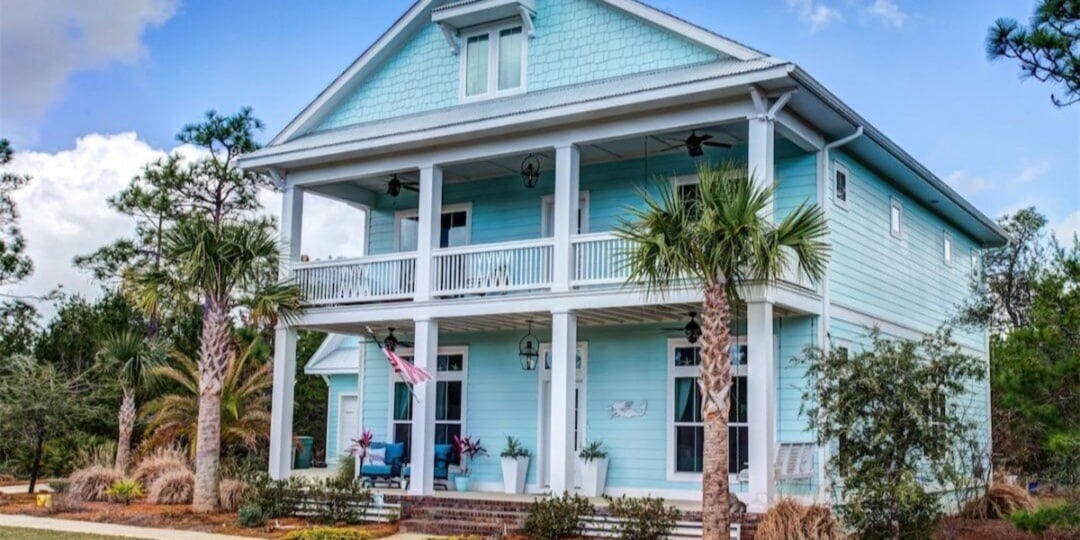
Factors to Consider
Still deciding between remodeling, moving, or building a new custom home? Here are a few key things to weigh before making the call:
Budget:
A remodel can be more affordable than building or buying—especially for smaller, focused projects—but don’t forget to leave room for unexpected costs. Hidden damage, design changes, and upgrades can add up fast.
On the flip side, a new build might cost more upfront but could save you money long-term with better efficiency and lower maintenance.
Location:
Do you love your current neighborhood? Close to work, family, or the beach? If so, remodeling might make the most sense. But if you’re eyeing a different school district, lifestyle, or commute, moving or building new in a better location could be the right move.
Time:
A smaller remodel may take just a few months, while building new could take 18 months. If you need a faster solution, moving could be quicker, assuming you can find the right home on the market.
Emotional Attachment:
How much do you love your home? If you’re attached to the memories, layout, or neighbors, it may be worth putting in the work to stay. But if your home is a source of constant frustration, moving might bring the peace of mind you're looking for.
Long-Term Goals:
Think a few years down the road. Will this decision still make sense as your family grows, your career changes, or your lifestyle evolves? Your choice should support not just where you are now, but where you’re headed next.

Frequently Asked Questions About Remodeling, Moving, and Building a New Custom Home
What is the 30% rule in remodeling?
The “30% rule” is a general guideline that says you shouldn’t spend more than 30% of your home’s current value on a remodel. So if your home is worth $400,000, your total renovation budget should stay under $120,000.
Why? Because investing more than that may not pay off in terms of resale value, especially if your upgrades outpace the neighborhood.
Of course, this rule isn’t one-size-fits-all. If you're planning to stay long-term or if your remodel addresses serious structural or functional needs, going above 30% might make sense.
A smart contractor can help you weigh the cost vs value based on your goals.
How long does it take to build a new custom home from design through construction?
While every project is different, a 2,500-square-foot home typically takes around 18 months from your consultation to move-in day.
That includes about 2-3 months for design and 1-2 months for finalizing estimates before construction begins. The timeline can vary depending on factors like weather, permitting, material availability, and customization.
Other timeline estimates you might find online may be a whole lot shorter, but that's likely because they don't offer the design-build delivery method and only construction.
Will home prices come down in 2026?
According to Zillow’s most recent forecast, home prices are expected to dip.
That said, any drops are expected to be modest, and the long-term outlook still points to steady growth. So, if you're asking, “Should I buy a new house or stay?” waiting may not bring drastically better prices. If the right opportunity comes up and it works with your budget, now might be a smart time to act.
Will mortgage rates drop in 2026?
Possibly—but don’t count on huge changes overnight. Morgan Stanley forecasts that mortgage rates may dip to around 6% by the end of 2025 and into 2026, which is lower than today’s rates but still above the ultra-low numbers we saw in 2020–2021.
The takeaway? If you’re wondering “should I renovate or move” or waiting to buy a home, it's wise to plan based on what you can comfortably afford now, not just on where rates might go in a year or two. And if rates do drop in 2026, refinancing is always an option.
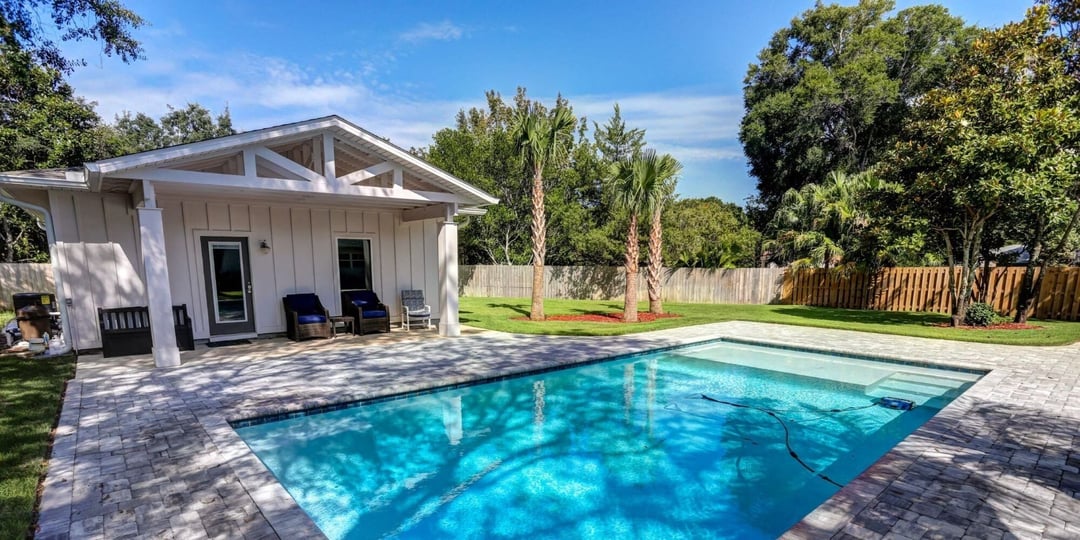
There’s No One-Size-Fits-All Answer—But There Is a Right Fit for You
Deciding to remodel or move (or even build new) comes down to your lifestyle, your goals, and your gut. There are pros and cons to every path, and the best choice is the one that supports your needs today and in the years ahead.
Our job at Urban Infill Corporation is to help you weigh your options with clarity, not pressure. Whether you’re reimagining the home you love, dreaming up something brand new, or just trying to figure out what’s possible, we’re here to help you think it through.
Still on the fence? Get in touch today, and let's talk about it together.